
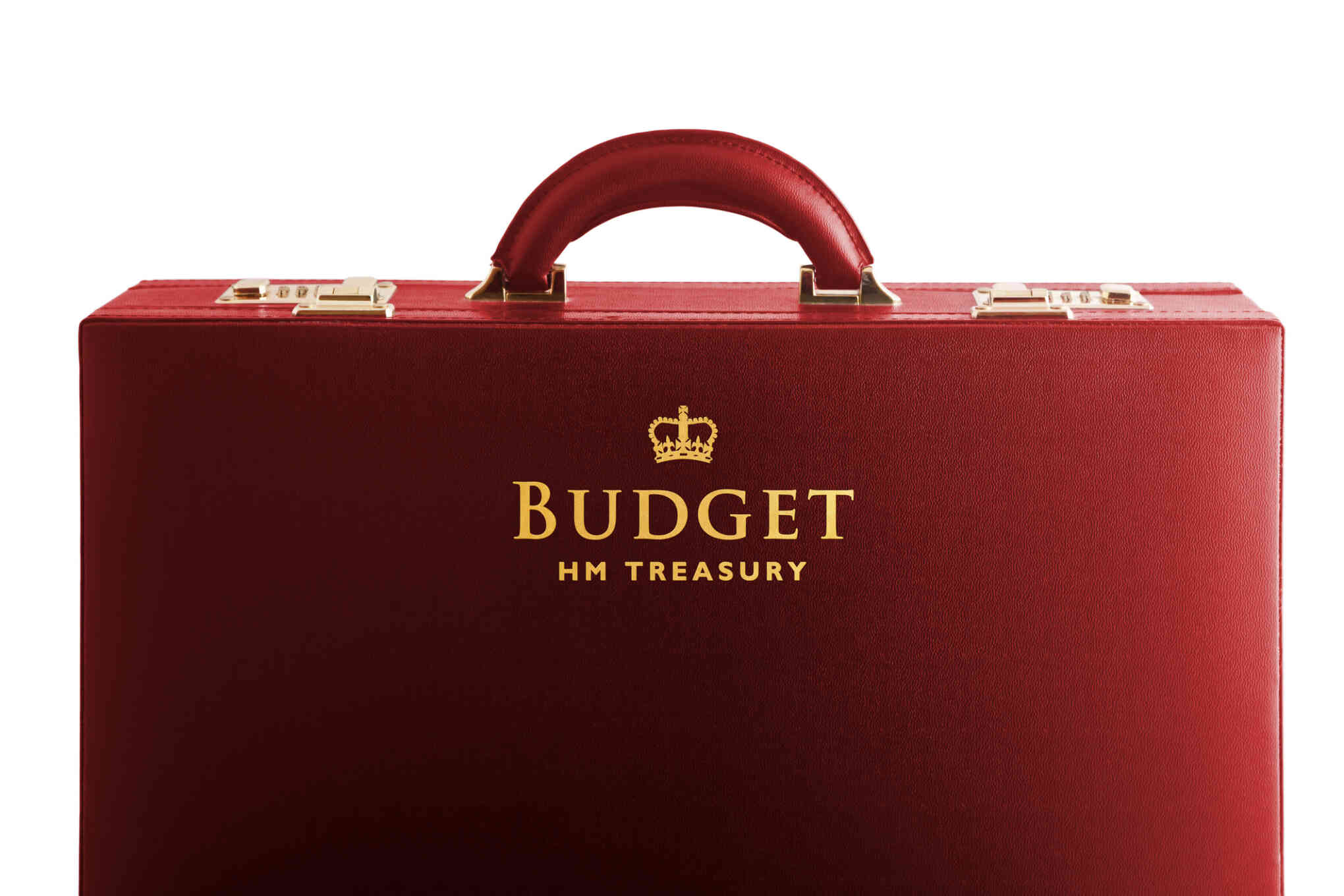
What the 2025 Budget will mean for wealthy individuals – a private banker’s perspective
For many financially successful individuals, government budgets are no longer moments of shock or surprise. Instead, they have become part of a steady reshaping of the UK’s tax landscape, where the direction of travel matters more than any single announcement.
The 2025 Budget is a continuation of that trend.
Faced with public finances under groaning strain and a national debt hovering at almost 95% of GDP, Chancellor Rachel Reeves has been clear from the outset that this government intends the wealthiest to contribute the most, while she honours manifesto commitments not to increase income tax, National Insurance or VAT.
The tax changes announced on November 26 are spread across high-value property, pensions, ISAs and tax thresholds, plus dividend, property and savings income. Taken together, these changes will create one of the most consequential budgets in recent years for high-earning professionals, entrepreneurs, landlords and families with significant assets. This will shift the ground beneath long-term financial plans and as always, it would be best to react carefully, thoughtfully and strategically, and not with knee-jerk responses.
For many, the question is no longer ‘How do I minimise tax this year?’ but ‘How do I reshape my financial architecture for the decade ahead?’
What follows is not financial advice, but a strategic view of how wealthy individuals are responding, based on conversations we’ve been holding with clients.
Turning first of all to the headline-grabbing ‘mansion tax’ – a new annual charge of £2,500 on properties worth more than £2 million and £7,500 on properties above £5 million. This signals a change in how high-value property is now viewed by policymakers – as an asset that can be taxed by central government, not just local councils, whether it is an income-generating let or a privately owned home. For many clients, particularly in London and the South East, the impact will be noticeable and the longer-term behavioural effect could be considerable.
Although most will meet the additional cost, some owners without easy access to cash will no doubt explore downsizing, relocating to cheaper property within the UK, or even moving overseas. The £2 million and £5 million thresholds are also likely to become psychological as well as financial markers, dampening property sales activity at around these bands. Some owners may well look at ways to offset the annual charge, letting rooms or annexes, using holiday-let strategies, even film, event and wedding rentals. These ideas, once niche, are increasingly mainstream among high-value homeowners.
For individuals who are more internationally mobile, this property tax change may well feed into broader conversations about long-term UK residency.
The new 2% additional tax rate on income from assets – property, savings and dividends – reflects the Chancellor’s determination to align asset-derived income more closely with employment income.
Different groups will feel the effect in different ways. Private landlords, already bearing the brunt of no mortgage-interest relief, rising compliance and maintenance costs and now a higher tax rate, may move properties into company structures, exit the lower-yielding parts of the market, or shift towards commercial or holiday-let strategies. We expect to see a cautious restructuring of property portfolios rather than a sudden rush for the exits.
For business owners, new thought will be needed for the balance between salary, dividend payments and pension contributions. Many may choose to leave more capital inside their businesses or in company pension schemes, smoothing their taxable income across future years.
The continued freeze on income and inheritance tax thresholds means more and more individuals will drift into higher tax bands over the coming years. Wealthy individuals tend to react to environments such as this not with short-term fixes but with structural changes. Multiple-source earners, such as consultants, doctors working in both NHS and private sectors, creatives and other specialists, may increasingly operate through limited companies, as this set up offers them more control over the timing of their income and allows access to tax-deductible business expenses.
The introduction of a £2,000 limit (from 2029) on tax-exempt salary-sacrifice pension contributions is, on the face of it, a modest change. However, for higher earners, this changes the strategy for long-term saving. We expect to see a pivot towards heavier ISA utilisation, more interest in alternative investments, including commercial property, and even increasing use of offshore investments, particularly for internationally mobile families.
The pension limit may also prompt high earners to negotiate alternative benefits packages, from employer share schemes to company-funded health benefits, electric cars, or extended sabbaticals and leave.
As pension incentives narrow, we expect wealth to flow towards structures that offer long-term, intergenerational control, such as Family investment Companies and onshore and offshore trusts. Trusts, when structured correctly, are a valuable tool for asset protection. However, they are sophisticated arrangements, requiring expert advice and assets in a trust are no longer under personal control. But the direction of travel is clear; families will look beyond the traditional pension structure to vehicles designed to offer stability for future generations.
Although some widely anticipated changes, such as higher income taxes or inheritance tax reform, did not materialise, the 2025 Budget will lead to significant shifts for the UK’s high-net-worth and affluent population, who will no doubt focus more closely on long-term wealth-preservation strategies.
What this Budget demands is longer-term, thoughtful, joined-up planning – across pensions, property, business assets, remuneration and legacy structures. The most successful outcomes will come from strategic adjustments, not reactive moves.
As always, clients should seek tailored advice from their financial and tax specialists before acting. For those looking to understand how the new tax landscape will affect them, now is the moment to begin the conversation.
If you would like to discuss how the Budget may affect your plans, we would be delighted to help.
Greig Townsend is Chief Banking Officer at Hampden Bank
Source: www.gov.uk/government/publications/budget-2025-document
The information provided in this article is for general informational purposes only and does not constitute tax, legal, or financial advice. Tax treatment depends on individual circumstances and may change in the future. Readers should seek independent professional advice from a qualified tax advisor before making any decisions. The Bank accepts no liability for actions taken based on this information